Ship Tank Cleaning & Waste Disposal Inspection
PAMS Pacific Admiralty Maritime Services provides independent marine technical inspection, tank cleaning verification, residue management assessment and waste disposal compliance consultancy for commercial vessels. Our services address cargo tank cleaning, fuel tank maintenance, slops, tank residues, contaminated wash water and applicable MARPOL pollution prevention requirements.
Independent Ship Tank Cleaning & Waste Management Assessment
Ship tank cleaning is an important technical and operational activity undertaken to prepare tanks for subsequent cargo operations, maintenance, inspection, repair or changes in service. Depending on the vessel and the previous contents, tank cleaning may involve removal of cargo residues, oil deposits, sludge, scale, chemical contamination and accumulated sediments.
The cleaning process must be considered together with the identification, segregation, collection, temporary storage and appropriate disposal of the resulting residues and cleaning waste. Inadequate cleaning or inappropriate waste handling can create environmental, operational, safety and regulatory risks.
PAMS Pacific Admiralty Maritime Services provides independent technical consultancy and inspection services to shipowners, ship managers, operators and other maritime stakeholders. Assignments may include assessment of cleaning procedures, inspection of accessible tank surfaces, verification of cleaning results, examination of waste management records and review of disposal documentation.
Types of Ship Tanks Covered
The cleaning requirements and inspection criteria differ according to the purpose of the tank, its previous contents, construction, coating system and intended subsequent use. The inspection scope is therefore established according to the particular vessel and assignment.
Cargo Tanks
Assessment of cargo tank cleaning condition following discharge of petroleum products, chemicals or other liquid cargoes. Particular attention is given to previous cargo residues, coating condition, remaining liquid, sediment and contamination risks associated with the next cargo.
Fuel Oil Tanks
Technical inspection of fuel oil tank cleaning condition, including accessible internal surfaces, sludge accumulation, sediment, oil deposits, corrosion and coating deterioration. Inspection may be associated with maintenance or tank repairs.
Diesel Oil & Gas Oil Tanks
Assessment of tank cleanliness, remaining fuel, sediment, contamination, water accumulation and the condition of accessible internal surfaces following cleaning or preparation for maintenance.
Lubricating Oil Tanks
Inspection of accessible tank surfaces and cleaning condition, with attention to oil deposits, sludge, water contamination, sediments and residues that may affect subsequent tank service.
Slop Tanks
Assessment of accumulated oily mixtures, tank residues, sediment and cleaning condition. Particular attention is given to the relationship between slop management, onboard retention and permitted disposal arrangements.
Ballast & Other Service Tanks
Inspection of accessible internal surfaces for sediment, marine growth, corrosion, coating deterioration and cleaning deficiencies, where tank access and the agreed inspection scope permit examination.
Ship Tank Cleaning Requirements & Preparation
Tank cleaning must be planned according to the previous tank contents, intended subsequent service, tank design, cleaning method and applicable safety and environmental requirements. The cleaning plan should identify the nature of residues, the equipment required, the expected cleaning standard and the arrangements for handling generated waste.
Pre-Cleaning Technical Considerations
- Identification of the tank and its intended service.
- Review of previous cargo, fuel or liquid contents.
- Identification of remaining liquid, sediment and sludge.
- Assessment of potential chemical or petroleum contamination.
- Review of tank construction, coatings and internal fittings.
- Identification of suitable cleaning procedures and equipment.
- Assessment of wash water and residue collection arrangements.
- Review of applicable safety precautions and entry restrictions.
- Establishment of the intended cleaning and inspection criteria.
Cleaning Completion Criteria
The required final condition depends on the intended use of the tank. A tank prepared for a different cargo may require a different cleanliness standard from a tank undergoing routine maintenance, internal inspection or repair.
Marine Tank Cleaning Methods & Technical Assessment
Different cleaning methods may be applied depending on the tank contents, type of residue, coating compatibility, available equipment and operational requirements. The selection of the cleaning method should also consider the volume and characteristics of waste generated.
Hot Water Washing
Application of heated water for removal of suitable cargo residues, oil deposits and other contaminants. Temperature, cleaning duration and compatibility with tank coatings and equipment should be considered.
Cold Water Washing
Water washing for removal of water-soluble residues and loose contamination where appropriate. The suitability of the method depends on the nature of the previous contents and the required cleaning standard.
High-Pressure Water Jetting
Controlled high-pressure cleaning for removal of stubborn deposits, accumulated material and residues from suitable tank surfaces. Pressure selection must consider coating condition and equipment limitations.
Chemical Cleaning
Application of suitable cleaning chemicals for specific contamination and cargo residues. Chemical compatibility, concentration, exposure time, rinsing requirements and resulting waste characteristics require appropriate technical consideration.
Mechanical Cleaning
Removal of deposits and accumulated residues using suitable mechanical methods and equipment. Particular attention is required to avoid damage to protective coatings and internal tank components.
Gas Freeing & Ventilation
Controlled ventilation and atmosphere management to achieve the conditions required for the intended operation. Gas freeing and atmosphere testing must follow the applicable safety procedures.
Cleaning methods are described for technical assessment purposes. Actual cleaning operations must be carried out by appropriately equipped and qualified personnel under the vessel's approved procedures and applicable safety requirements.
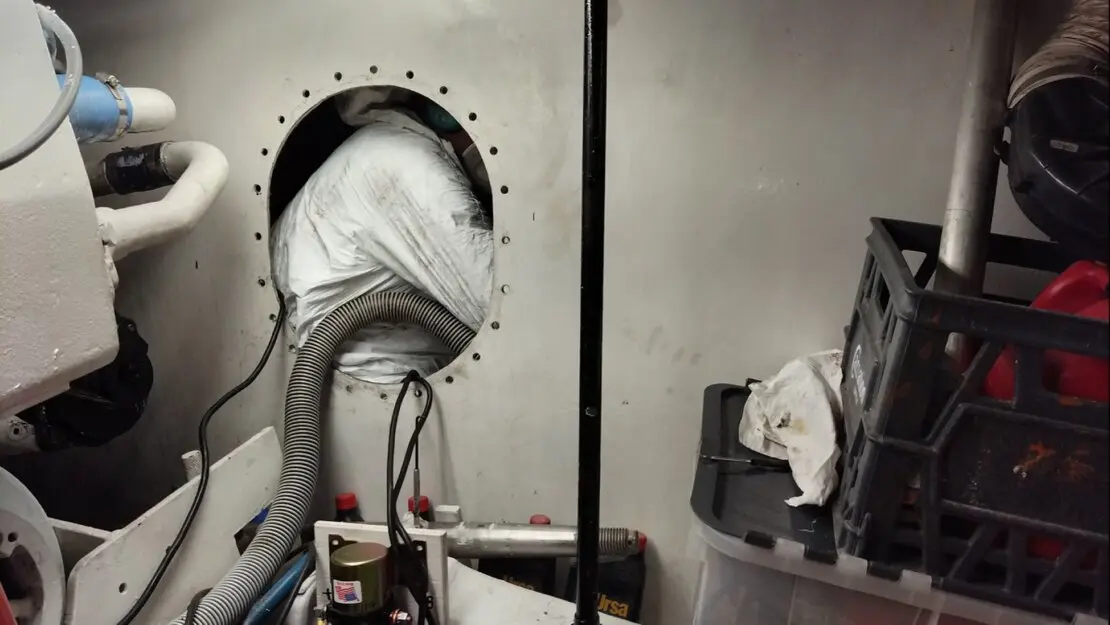
Marine Cargo Tank Cleaning & Residue Removal
Technical assessment of tank cleaning operations, cleaning methods, removal of previous cargo residues and the condition of internal tank surfaces following completion of cleaning.
Independent Ship Tank Cleaning Inspection
Independent inspection provides a documented assessment of the observed tank condition following cleaning or during an agreed stage of the cleaning process. The inspection scope is established according to the tank type, previous contents, intended service and accessibility.
Main Inspection Areas
Tank Internal Surfaces
Examination of accessible tank boundaries, bulkheads, bottom plating, structural members and internal surfaces for remaining deposits, sludge, loose material and visible contamination.
Tank Bottom & Sediment
Assessment of remaining liquid, accumulated sludge, sediment, solid residues and cleaning deficiencies in accessible bottom areas and recesses.
Coatings & Corrosion
Visual assessment of accessible protective coatings, corrosion, coating breakdown, mechanical damage and deterioration potentially associated with cleaning activities.
Internal Fittings
Examination of accessible pipes, brackets, heating coils, structural supports, ladders and other internal fittings for remaining residues, visible damage and obstructions.
Tank Suctions & Drainage
Assessment of accessible suction arrangements, drainage points, wells and associated components for visible deposits, blockages and cleaning-related deficiencies.
Cleaning Completion
Assessment of the observed cleaning condition against the agreed inspection criteria, including identification of areas requiring further cleaning or technical attention.
Cargo Tank Cleaning & Cargo Changeover
Cargo tank cleaning is particularly important for product tankers and chemical carriers operating successive cargoes with different physical and chemical characteristics. The required cleaning standard is influenced by the previous cargo, next intended cargo, compatibility requirements and applicable cargo acceptance criteria.
Technical Considerations for Cargo Tank Preparation
- Previous cargo identification and relevant cargo properties.
- Compatibility between previous and subsequent cargoes.
- Remaining liquid and cargo residues.
- Sludge, deposits and sediment accumulation.
- Tank coating compatibility with cleaning chemicals.
- Cleaning temperature, duration and washing arrangements.
- Rinsing and removal of cleaning chemical residues.
- Drying requirements and moisture assessment.
- Potential cross-contamination between successive cargoes.
- Tank cleanliness verification against agreed standards.
Chemical Tank Cleaning Considerations
Chemical cargo tanks may require cargo-specific cleaning procedures due to differences in solubility, viscosity, reactivity and contamination sensitivity. Particular attention should be given to the compatibility of cleaning agents with previous cargo residues, tank coatings and subsequent cargo requirements.
Where necessary, independent technical review may consider cleaning instructions, chemical specifications, rinsing arrangements and supporting cleanliness verification records.
Fuel Oil Tank Cleaning & Sludge Removal Assessment
Fuel oil tank cleaning may be required during scheduled maintenance, tank inspection, fuel system modifications, repair works or investigations into fuel contamination and operational problems.
Heavy fuel oil deposits, sludge, sediment, water and accumulated impurities can affect tank condition, suction arrangements and fuel transfer systems. An independent technical assessment can document the observed condition and identify areas requiring further cleaning or maintenance.
Inspection Considerations
- Accumulated sludge and heavy fuel oil deposits.
- Sediment and solid contamination at tank bottoms.
- Water accumulation and evidence of contamination.
- Condition of accessible tank coatings and plating.
- Fuel suction pipes and associated arrangements.
- Heating coils and accessible internal components.
- Tank manholes, access arrangements and closures.
- Visible corrosion and coating deterioration.
- Removal and collection of tank cleaning residues.
- Documentation of the completed cleaning condition.
Fuel Tank Cleaning Verification
Following completion of cleaning, the inspection may assess the accessible internal surfaces for remaining sludge, loose material, water and other observable contamination. The report should distinguish between completed work, outstanding deficiencies and areas that could not be examined.
Ship Tank Cleaning Waste & Residue Identification
Tank cleaning can generate different categories of waste depending on the previous tank contents, cleaning method and substances used during the operation. Correct identification and segregation are important before determining the applicable storage, treatment, transfer and disposal route.
Oil Sludge & Oily Residues
Residues containing petroleum products, heavy fuel oil, lubricating oil, sediment and accumulated tank deposits. Their handling and disposal must be assessed under applicable pollution prevention requirements.
Cargo Residues
Remaining liquid cargo, cargo deposits and residues originating from petroleum products, chemicals or other substances. The nature of the previous cargo determines the relevant handling requirements.
Tank Washing Water
Water generated during tank washing, rinsing and cleaning operations. Its characteristics may be influenced by residual oil, chemicals, suspended solids and previous tank contents.
Chemical Cleaning Waste
Waste generated from chemical cleaning procedures, including spent cleaning solutions and contaminated rinsing water. Compatibility, classification and disposal requirements require assessment.
Slops & Oily Mixtures
Mixtures of oil, water and associated residues collected during tanker cargo handling and tank cleaning operations. Their composition and applicable disposal arrangements must be established.
Solid Tank Residues
Removed sludge, sediment, scale, contaminated cleaning materials and other solid residues. Their identification and appropriate waste handling depend on their actual composition.
Ship Waste Segregation, Collection & Management
Effective waste management begins with identifying the source and characteristics of each waste stream. Different residues should not be treated as interchangeable materials, since their composition and applicable regulatory requirements may differ.
Waste Management Assessment
- Identification of the source tank and previous contents.
- Assessment of the type and characteristics of generated waste.
- Segregation of different residue and waste streams.
- Review of suitable temporary onboard storage arrangements.
- Assessment of containment and leakage prevention measures.
- Review of tank capacity and available retention arrangements.
- Examination of transfer and discharge documentation.
- Review of applicable waste classification requirements.
- Verification of supporting reception and disposal records.
- Identification of potential environmental compliance deficiencies.
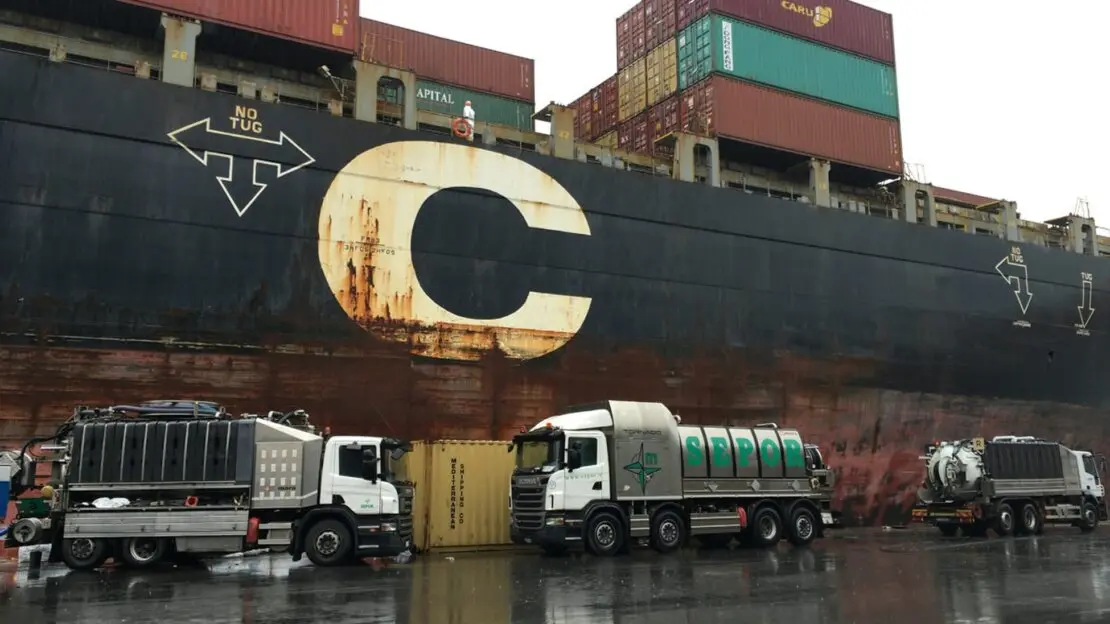
Tank Residues, Slops & Waste Disposal Compliance
Independent technical review of tank residue management, waste segregation, transfer records and the documentation associated with delivery to appropriate port reception facilities or other authorised waste management facilities.
Ship Tank Waste Disposal & Port Reception Facilities
Tank cleaning residues and associated waste must be handled and delivered through applicable authorised waste management arrangements. The correct disposal route depends on the type of waste, its composition, the vessel's location, applicable MARPOL provisions and relevant national or port regulations.
Port reception facilities provide arrangements for receiving applicable ship-generated waste and cargo residues. Their availability, acceptance criteria, documentation and operating procedures may differ between ports and jurisdictions.
Disposal Compliance Considerations
- Identification of the waste stream and its origin.
- Confirmation of the applicable waste classification.
- Review of the intended reception or disposal route.
- Assessment of applicable port reception requirements.
- Review of the receiving facility's relevant authorisation.
- Examination of waste transfer and delivery records.
- Verification of quantities delivered against available records.
- Review of applicable receipts and disposal documentation.
- Assessment of onboard records and relevant declarations.
- Identification of discrepancies and missing supporting documents.
Waste Delivery Documentation
Documentation should provide traceability from the generation of waste onboard through its collection, temporary storage, transfer and delivery to the receiving facility. The records reviewed will depend on the waste type and applicable requirements.
Waste Identification Records
Information identifying the source tank, previous contents, waste category, estimated quantity and relevant characteristics of the material delivered.
Transfer Documentation
Available records relating to the collection, transfer and delivery of waste, including relevant dates, quantities and receiving facility information.
Reception Facility Receipts
Examination of available receipts and supporting documents issued by the relevant port reception or authorised waste management facility.
Regulatory Record Review
Review of applicable onboard records, declarations and supporting documentation required under the relevant pollution prevention and waste management framework.
PAMS provides independent technical assessment and documentation review. Physical waste collection, transportation, treatment and disposal are undertaken by appropriately authorised service providers and facilities, as applicable.
MARPOL Requirements & Environmental Compliance
Tank cleaning and waste disposal activities must be assessed against the applicable provisions of the International Convention for the Prevention of Pollution from Ships (MARPOL), together with relevant flag State, coastal State and port requirements.
MARPOL Annex I – Oil Pollution
Relevant to oily residues, oil mixtures, sludge, oil tank washings and associated pollution prevention arrangements. Assessment includes applicable retention, recording and disposal requirements.
MARPOL Annex II – Noxious Liquid Substances
Relevant to cargo residues and tank washings from ships carrying noxious liquid substances in bulk. Applicable cargo categorisation, discharge conditions and reception arrangements must be considered.
MARPOL Annex V – Garbage
Relevant to applicable garbage generated during shipboard operations, including certain operational cleaning materials and associated waste. The applicable classification and disposal requirements must be established.
MARPOL Annex VI – Air Pollution
Relevant where tank cleaning or associated operations involve applicable atmospheric emission requirements, including relevant controls on volatile organic compound emissions from oil tankers.
Regulatory Assessment Considerations
- Applicable MARPOL Annex and specific regulatory provisions.
- Vessel type and operational characteristics.
- Previous cargo or tank contents.
- Waste and residue classification.
- Applicable discharge and retention requirements.
- Port reception facility availability and acceptance conditions.
- Required records and documentation.
- Relevant flag State and port State requirements.
Onboard Tank Cleaning Procedures & Safety Assessment
Tank cleaning involves potential hazards associated with confined spaces, flammable atmospheres, toxic vapours, oxygen deficiency, chemical exposure, high-pressure equipment and accumulated residues. The applicable risk assessment and safety procedures must be established before the operation begins.
Safety and Operational Considerations
- Risk assessment and approved tank cleaning procedures.
- Permit-to-work requirements where applicable.
- Confined space entry procedures.
- Isolation of connected pipelines and equipment.
- Ventilation and atmosphere monitoring.
- Oxygen, flammable gas and toxic gas testing as applicable.
- Suitable protective equipment and emergency arrangements.
- Safe use of cleaning chemicals and equipment.
- Control of ignition sources and electrostatic hazards.
- Safe collection and transfer of generated waste.
Confined Space Entry Considerations
Entry into cargo tanks, fuel tanks and other enclosed spaces must not take place solely on the basis that cleaning has been completed or ventilation has been carried out. Atmospheric testing, isolation, authorisation and the required safety precautions must be established in accordance with the vessel's procedures and applicable requirements.
Independent Tank Cleaning Supervision & Verification
Depending on the agreed assignment, PAMS may provide independent technical attendance during selected stages of tank cleaning and subsequent inspection. The objective is to document the observed condition, identify deficiencies and review whether the agreed cleaning criteria have been addressed.
Pre-Cleaning Assessment
Review of tank identification, previous contents, cleaning requirements, available procedures and the condition of accessible tank components before cleaning.
Cleaning Progress Monitoring
Technical observations during agreed cleaning stages, including the removal of residues, use of cleaning methods and visible cleaning deficiencies.
Post-Cleaning Inspection
Examination of accessible tank surfaces following cleaning to document remaining residues, visible contamination, coating condition and outstanding items.
Waste Management Review
Review of available waste segregation, retention, transfer and reception documentation associated with the cleaning operation.
Tank Waste Disposal Compliance Inspection
Independent waste compliance inspection focuses on whether the arrangements and available records associated with tank cleaning waste are consistent with the applicable requirements and the agreed inspection scope.
Typical Areas of Examination
- Identification of the waste generated during tank cleaning.
- Consistency between declared waste type and its origin.
- Available waste quantity and volume records.
- Onboard storage and segregation arrangements.
- Relevant transfer and reception documentation.
- Applicable Oil Record Book entries, where required.
- Applicable Cargo Record Book entries, where required.
- Relevant Garbage Record Book entries, where applicable.
- Waste delivery receipts and supporting records.
- Identification of discrepancies and missing documentation.
Record requirements depend on the vessel, the applicable MARPOL Annex, the type of waste and the operation performed. Not every tank cleaning operation requires entries in every onboard record book.
PAMS Tank Cleaning & Waste Disposal Inspection Procedure
A structured inspection approach is applied according to the vessel's requirements, type of tank, nature of residues and agreed technical scope.
01. Assignment Review
Review of vessel particulars, tank identification, previous contents, intended service, cleaning requirements and applicable inspection criteria.
02. Pre-Cleaning Condition
Assessment of the available tank condition, previous residues, visible contamination, structural surfaces and relevant cleaning arrangements.
03. Cleaning Assessment
Technical observations of agreed cleaning stages, procedures, equipment and progress, subject to the scope and safe accessibility.
04. Post-Cleaning Verification
Inspection of accessible surfaces and components to assess the observed cleaning condition against the agreed requirements.
05. Waste Documentation Review
Examination of available waste identification, segregation, transfer, reception and disposal documentation.
06. Technical Reporting
Preparation of inspection findings, photographic evidence, identified deficiencies, limitations and technical recommendations.
Ship Tank Cleaning & Waste Disposal Inspection Report
The inspection report provides an independent record of the examination, the tank cleaning condition and relevant waste management findings. Its contents are determined by the agreed assignment scope, vessel requirements and available evidence.
Typical Report Contents
- Vessel name, identification and relevant particulars.
- Inspection date, location and attendance details.
- Tank identification and tank service.
- Previous cargo or tank contents, where available.
- Cleaning scope and agreed inspection criteria.
- Cleaning methods and procedures reviewed.
- Observed condition of accessible internal surfaces.
- Remaining sludge, deposits and residues.
- Condition of coatings and visible structural components.
- Cleaning completion observations.
- Waste identification and segregation findings.
- Available waste transfer and disposal documentation.
- Relevant regulatory compliance observations.
- Photographic evidence and supporting records.
- Identified deficiencies and corrective recommendations.
- Inspection limitations and final technical conclusions.
Benefits of Independent Tank Cleaning & Waste Compliance Assessment
Independent technical assessment supports shipowners and operators in establishing a documented understanding of tank cleaning condition and the associated waste management arrangements.
Objective Condition Assessment
Independent documentation of tank condition and observable cleaning results against the agreed technical criteria.
Contamination Risk Identification
Identification of visible residues, deposits and cleaning deficiencies that may affect subsequent tank service or cargo operations.
Environmental Compliance Review
Technical review of applicable pollution prevention requirements and associated waste handling documentation.
Waste Traceability
Assessment of available documentation supporting the identification, transfer and delivery of tank cleaning waste.
Deficiency Identification
Clear recording of outstanding cleaning requirements, visible defects and documentation discrepancies.
Technical Recommendations
Independent recommendations concerning further cleaning, maintenance, verification or regulatory documentation requirements.
Independent Marine Technical Consultancy by PAMS
PAMS Pacific Admiralty Maritime Services is an independent Philippine marine technical consultancy specialising in marine surveying, technical engineering, inspections and regulatory compliance.
Our tank cleaning and waste management assignments focus on independent technical assessment, inspection, verification and compliance documentation. We provide objective findings to support shipowners, technical managers, operators and other maritime stakeholders.
The scope can be tailored to individual vessel requirements, including tanker cargo tank cleaning, fuel tank cleaning, slop management, residue assessment, waste documentation and applicable environmental compliance considerations.
Ship Tank Cleaning & Waste Disposal – Frequently Asked Questions
What is ship tank cleaning?
Ship tank cleaning is the process of removing cargo residues, oil deposits, sludge, sediment and other contaminants from vessel tanks. The required cleaning standard depends on the tank's previous contents and intended subsequent service.
Which types of ship tanks require cleaning?
Tank cleaning may be required for cargo tanks, fuel oil tanks, diesel oil tanks, lubricating oil tanks, slop tanks, ballast tanks and other service tanks, depending on their operational and maintenance requirements.
What are the common methods of marine tank cleaning?
Methods may include hot water washing, cold water washing, high-pressure water jetting, chemical cleaning, mechanical cleaning and ventilation. The appropriate method depends on the type of tank, previous contents, residues and required cleanliness standard.
What is the difference between tank cleaning and gas freeing?
Tank cleaning concerns the removal of residues and contaminants from tank surfaces. Gas freeing involves controlled ventilation and atmosphere management to achieve the required atmospheric conditions for the intended operation. Cleaning does not automatically establish that a tank is gas-free or safe for entry.
What types of waste are generated during tank cleaning?
Waste may include oily sludge, petroleum residues, cargo residues, slops, contaminated wash water, spent chemical cleaning solutions, sediment and contaminated solid materials. The applicable classification depends on the actual composition and source.
How should ship tank cleaning waste be disposed of?
Waste must be handled and delivered through the applicable authorised waste management arrangements. The disposal route depends on the waste characteristics, applicable MARPOL provisions, flag and port requirements and the acceptance conditions of the receiving facility.
What is the role of port reception facilities?
Port reception facilities receive applicable ship-generated waste and cargo residues in accordance with their operating arrangements and applicable regulations. The receiving facility and acceptance requirements depend on the waste category and port jurisdiction.
Which MARPOL regulations apply to tank cleaning waste?
MARPOL Annex I is relevant to oil and oily residues, while Annex II addresses pollution from noxious liquid substances carried in bulk. Annex V may apply to relevant garbage generated onboard. The applicable provisions depend on the source and classification of the waste.
What documentation is required for ship waste disposal?
Depending on the waste type and applicable requirements, documentation may include waste identification records, transfer details, reception facility receipts, relevant declarations and applicable entries in the vessel's statutory record books.
Are oily sludge and tank wash water treated as the same waste?
No. Oily sludge and tank wash water can have different physical and chemical characteristics. Their classification and handling requirements must be established according to their actual composition, origin and applicable regulatory provisions.
Why is waste segregation important during tank cleaning?
Segregation helps identify different waste streams and prevents inappropriate mixing of materials with different characteristics. It also supports appropriate storage, transfer, documentation and disposal arrangements.
What is included in an independent tank cleaning inspection?
Depending on the agreed scope, inspection may include examination of accessible tank surfaces, remaining residues, sludge, sediment, coatings, internal fittings, cleaning completion and associated waste management records.
Can PAMS verify the cleanliness of cargo tanks?
PAMS can undertake independent technical inspection of accessible tank surfaces and assess the observed cleaning condition against agreed requirements. Where chemical cleanliness or specific cargo acceptance criteria are involved, additional testing or specialist verification may be necessary.
Can PAMS review MARPOL waste disposal documentation?
Yes. Subject to the assignment scope, PAMS can review available waste identification, transfer, reception and disposal documentation and assess relevant records against applicable regulatory requirements.
Does PAMS physically undertake tank cleaning or waste disposal?
No. PAMS provides independent marine technical consultancy, inspection, verification and compliance assessment. Physical tank cleaning, waste collection, transportation, treatment and disposal are undertaken by the relevant appropriately authorised operators and service providers.
What does a tank cleaning inspection report contain?
A report may include vessel and tank identification, inspection scope, previous tank contents, observed cleanliness, remaining residues, coating condition, photographs, waste documentation findings, deficiencies and technical recommendations.
Can PAMS provide independent tank cleaning inspections for tankers?
PAMS provides independent marine surveying and technical inspection consultancy for commercial vessels, including tank cleaning condition assessments and associated waste management compliance reviews, subject to assignment scope and availability.
Technical & Regulatory Considerations
Tank cleaning, cargo residue handling and ship-generated waste management must be evaluated against the vessel's operational characteristics, the nature of the material involved and the applicable international and national regulatory framework.
Relevant considerations include MARPOL Annex I, Annex II and Annex V, applicable port reception facility requirements, vessel-specific procedures, safety management arrangements and relevant statutory documentation.
Regulatory applicability and disposal requirements must be established for each individual operation. Inspection conclusions are limited to the agreed scope, accessible areas and supporting evidence available at the time of assessment.
Require Independent Ship Tank Cleaning Inspection?
Contact PAMS Pacific Admiralty Maritime Services for independent tank cleaning condition assessments, cargo tank cleaning verification, fuel tank inspection, slop and residue management assessment and MARPOL waste disposal compliance consultancy.
Contact PAMS Marine Survey Services Marine Technical Consultancy