
Cargo Hold Inspection Services
PAMS Pacific Admiralty Maritime Services provides independent cargo hold inspections for bulk carriers and cargo vessels, assessing cleanliness, dryness, structural condition, bilge arrangements, hatch cover integrity and cargo space suitability before loading operations.
Independent Pre-Loading Cargo Hold Inspection
Cargo hold inspection is an important part of the preparation of bulk carriers and other cargo vessels before loading. The condition of the cargo spaces can directly affect cargo quality, contamination risks, loading suitability and the vessel's readiness for the intended voyage.
PAMS Pacific Admiralty Maritime Services undertakes independent technical inspections of cargo holds to assess whether the spaces are clean, dry, suitably maintained and free from observable conditions that could compromise the intended cargo.
Inspections may be required before loading grain, agricultural commodities, coal, minerals, concentrates, fertilisers and other bulk cargoes. The inspection scope is determined by cargo characteristics, contractual requirements, applicable inspection criteria and the condition of the vessel.
Main Areas of Cargo Hold Inspection
A systematic cargo hold inspection considers the condition of the complete cargo space, including structural surfaces, previous cargo residues, drainage arrangements, hatch cover sealing systems and potential sources of contamination.
General Cleanliness
Examination of cargo spaces for previous cargo residues, dust, grease, oil, loose rust scale, paint flakes and other foreign material that may contaminate the intended cargo.
Structure & Coatings
Visual assessment of tank top plating, frames, bulkheads, hopper structures, brackets and accessible structural surfaces for corrosion, coating deterioration, sharp projections and visible damage.
Bilges & Drainage
Examination of bilge wells, strum boxes, sounding pipes and associated drainage arrangements to establish cleanliness, dryness, accessibility and apparent operational condition.
Hatch Covers & Sealing Systems
Inspection of hatch cover panels, coamings, rubber gaskets, compression bars, cleats, drain channels and accessible sealing arrangements for defects affecting weathertight integrity.
Pest & Contamination Risks
Examination for visible insects, rodents, residual grain or seed, previous cargo remnants, unusual odours and other potential contamination or quarantine-related concerns.
Moisture & Hold Atmosphere
Assessment for standing water, damp surfaces, condensation indications, persistent moisture and unusual odours that may require further investigation or corrective action.

Bulk Carrier Cargo Hold Condition Inspection
Inspection of cargo hold internal surfaces, structural condition, cleanliness and readiness before the commencement of cargo loading.
Cargo Hold Cleanliness & Previous Cargo Residues
Cargo hold cleanliness is a fundamental consideration when preparing a vessel for a new cargo. Residues from previous cargoes, accumulated dust, oil contamination and loose materials may create unacceptable contamination risks, depending on the commodity to be loaded.
Cleanliness Inspection Considerations
- Previous cargo residues on tank tops, frames and bulkheads.
- Loose grain, seed, coal, mineral or other cargo remnants.
- Accumulated dust and foreign particles on accessible surfaces.
- Oil, grease, hydraulic fluid or other visible contamination.
- Loose rust scale, flaking paint and detached coating material.
- Residues trapped in structural corners, brackets and recesses.
- Visible evidence of cleaning deficiencies or incomplete preparation.
- Unusual or persistent odours requiring further investigation.
Cargo Hold Structural Condition & Coating Inspection
The structural condition of the cargo space is examined through visual inspection of accessible surfaces and structural components. Particular attention is given to areas where corrosion, coating deterioration, mechanical damage or protruding objects could affect cargo operations or cargo condition.
Tank Top Plating
Examination for visible corrosion, damaged coatings, loose material, standing water, contamination and surface conditions that may affect cargo contact.
Side Shell Frames
Visual assessment of accessible frames and associated structural members for corrosion, coating breakdown, damage and foreign material accumulation.
Bulkheads & Hopper Structures
Inspection of accessible bulkhead and hopper surfaces for deterioration, coating damage, residues, projections and other visible defects.
Brackets & Structural Connections
Examination of accessible brackets, stiffeners, connections and structural intersections for corrosion, sharp edges, loose components and visible damage.
A pre-loading visual cargo hold inspection is not a substitute for a detailed structural condition survey or ultrasonic thickness measurement where such examinations are required.
Bilge Wells, Strum Boxes & Drainage Arrangements
Cargo hold drainage arrangements require particular attention before loading. Blocked bilges, contaminated strum boxes, defective sounding arrangements or standing water can compromise cargo space preparation and may create operational or cargo-related risks.
Inspection Points
- Cleanliness and condition of bilge wells.
- Condition and cleanliness of strum boxes and protective covers.
- Visible obstruction by cargo residues, debris or foreign material.
- Condition and accessibility of sounding pipes.
- Presence of standing water or accumulated liquid.
- Visible condition of drainage channels and associated arrangements.
- Availability and apparent condition of bilge alarm arrangements.
- Operational testing of alarms where included in the agreed inspection scope and safely arranged.
Hatch Cover Inspection & Watertight Integrity
Hatch covers form an important barrier against seawater ingress into cargo holds. Their condition and sealing arrangements should be examined as part of the vessel's pre-loading preparation, particularly where the intended cargo is sensitive to moisture.
Hatch Cover Inspection Areas
- Hatch cover panels and accessible structural surfaces.
- Rubber packing and gasket condition.
- Compression bars and sealing contact surfaces.
- Cleats, securing arrangements and locking devices.
- Hatch coamings and sealing interfaces.
- Drain channels, drain pipes and non-return arrangements.
- Visible deformation, damage, corrosion or misalignment.
- Evidence of previous water ingress or leakage.
Methods of Hatch Cover Tightness Verification
Visual Examination
Examination of accessible sealing arrangements, rubber gaskets, compression bars, cleats and drainage features to identify visible defects or deterioration.
Hose Testing
Controlled application of water along relevant hatch cover sealing arrangements to identify potential leakage, where the method is suitable and the test can be safely conducted.
Ultrasonic Leak Detection
Use of ultrasonic equipment to identify and localise potential leakage paths through hatch cover sealing arrangements without spraying water over the hatch covers.
Technical Findings
Documentation of observed defects, testing conditions, limitations and results, with recommendations for further examination or corrective maintenance where appropriate.
The appropriate tightness verification method depends on vessel arrangements, cargo condition, test objective, applicable requirements and the agreed inspection scope.
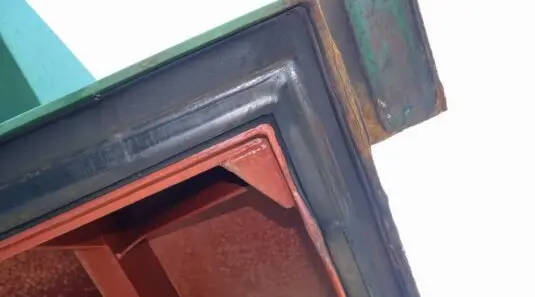
Hatch Cover Sealing & Cargo Protection Assessment
Inspection of hatch cover sealing components, compression arrangements and drainage features to identify potential sources of water ingress into cargo spaces.
Pest, Moisture & Cargo Contamination Assessment
Certain commodities, particularly agricultural and moisture-sensitive cargoes, require careful attention to contamination risks. Cargo hold inspections may include examination for visible evidence of pests, previous cargo residues, moisture and other conditions that could affect cargo acceptance.
Insects & Rodent Evidence
Inspection for visible insects, rodent activity, droppings, nests or other signs of pest presence within accessible cargo spaces.
Residual Grain & Seed
Examination for remaining grain, seed and agricultural cargo residues that may present contamination or quarantine concerns.
Moisture & Condensation
Identification of standing water, damp surfaces, visible condensation and other moisture-related conditions requiring attention.
Odour & Foreign Material
Examination for persistent odours, chemical contamination indications, foreign material and other conditions potentially incompatible with the intended cargo.
Cargo-Specific Hold Inspection Considerations
Cargo hold preparation requirements differ according to the characteristics of the intended commodity. The inspection should therefore consider the cargo's sensitivity to contamination, moisture, odour and previous cargo residues.
Grain & Agricultural Cargoes
Particular attention to cleanliness, dryness, absence of previous grain residues, insects, seed contamination, odours and potential moisture sources.
Coal
Examination for previous cargo residues, accumulated dust, standing water, drainage condition and visible contamination from incompatible materials.
Minerals & Concentrates
Assessment of cargo space cleanliness, previous cargo residues, drainage condition and visible moisture or contamination concerns relevant to the intended cargo.
Fertilisers & Other Bulk Cargoes
Inspection with attention to cargo-specific cleanliness, moisture sensitivity, previous cargo compatibility, corrosion and contamination considerations.
Cargo Hold Inspection Procedure
PAMS applies a structured inspection approach based on the vessel's cargo spaces, intended commodity, inspection requirements and the agreed scope of work.
Inspection Scope & Preparation
Review of the vessel's particulars, intended cargo, previous cargo information, available documentation and the specific inspection criteria agreed for the assignment.
Physical Cargo Hold Examination
Inspection of accessible cargo spaces, tank tops, bulkheads, frames, hopper structures, bilges, drainage arrangements and other relevant areas.
Hatch Cover & Associated Systems
Examination of hatch cover panels, sealing arrangements, drainage channels and other relevant components within the agreed scope.
Findings & Reporting
Recording of observations, identified deficiencies, relevant photographs, inspection limitations and recommendations for corrective action or further examination.
Cargo Hold Suitability & Inspection Findings
The inspection findings provide an independent technical record of the observed condition of the cargo spaces at the time of examination. Findings may identify areas requiring additional cleaning, drying, repairs, maintenance or further verification before loading.
Where cargo-specific acceptance criteria have been provided, observations can be assessed against those agreed criteria. Any limitations, inaccessible areas or outstanding deficiencies should be clearly identified in the inspection report.
Cargo Hold Inspection Report
A professional cargo hold inspection report provides a documented record of the examination and its findings. The report content is determined by the agreed scope and the requirements of the assignment.
Typical Report Contents
- Vessel identification and relevant particulars.
- Inspection date, location and attendance details.
- Intended cargo and inspection purpose.
- Previous cargo information, where provided.
- Individual cargo hold identification.
- Cleanliness and dryness observations.
- Structural and coating condition findings.
- Bilge wells and drainage system observations.
- Hatch cover and sealing arrangement findings.
- Moisture, odour and contamination observations.
- Photographic records of relevant findings.
- Identified deficiencies and inspection limitations.
- Technical recommendations and inspection conclusion.
Independent Marine Surveying & Technical Consultancy
PAMS Pacific Admiralty Maritime Services provides independent marine surveying, inspection and technical consultancy services. Cargo hold inspections are undertaken as independent technical assignments, with findings documented according to the agreed scope and inspection requirements.
Our approach focuses on objective observations, technical reporting and identification of conditions that may require attention before cargo loading.
Cargo Hold Inspection – Frequently Asked Questions
What is a cargo hold inspection?
A cargo hold inspection is an examination of a vessel's cargo spaces before loading to assess cleanliness, dryness, structural condition, drainage arrangements, hatch cover integrity and potential contamination risks.
When should cargo holds be inspected?
Cargo holds are generally inspected after completion of hold cleaning and preparation and before the commencement of loading. The timing should allow sufficient opportunity to address deficiencies identified during the examination.
What is checked during a pre-loading cargo hold inspection?
The inspection may cover tank tops, side frames, bulkheads, hopper structures, brackets, coatings, bilge wells, strum boxes, sounding pipes, hatch covers, sealing arrangements, drainage channels, cleanliness and visible contamination.
Why must cargo holds be clean and dry before loading?
Residual cargo, dust, oil, loose rust, paint flakes and moisture may contaminate the intended commodity or adversely affect cargo condition. The required standard depends on the cargo characteristics and applicable acceptance criteria.
What is a cargo hold cleanliness inspection?
It is an examination of accessible cargo hold surfaces for previous cargo residues, dust, grease, oil, loose rust scale, paint flakes, foreign material, odours and other conditions that could affect the intended cargo.
Are bilge wells and strum boxes included in the inspection?
Yes. Their cleanliness, apparent condition, accessibility and freedom from visible obstructions are relevant to cargo hold preparation. Sounding pipes and associated drainage arrangements may also be examined.
Are hatch covers checked during cargo hold inspections?
Hatch covers may be included in the inspection scope. Their panels, rubber gaskets, compression bars, cleats, coamings and drainage arrangements can be examined for visible defects affecting weathertight integrity.
How is hatch cover tightness verified?
Depending on the vessel, cargo condition and inspection requirements, verification may involve visual examination, hose testing or ultrasonic leak detection. The appropriate method should be agreed according to the intended test objective and applicable criteria.
Can cargo hold inspections identify pest and quarantine risks?
A visual inspection can identify observable evidence such as insects, rodents, residual grain, seed and other potential contamination indicators. It does not replace specialist pest control, fumigation or formal quarantine clearance procedures.
Are cargo hold inspections different for grain and coal?
Yes. Inspection priorities depend on the characteristics of the intended cargo. Grain and agricultural cargoes generally require particular attention to cleanliness, dryness, odours and pest contamination. Coal inspections may place different emphasis on residues, dust, moisture and drainage.
What happens if deficiencies are found during inspection?
Identified deficiencies should be recorded and communicated to the relevant parties. Corrective actions may include additional cleaning, drying, removal of residues, drainage maintenance, repairs or further technical examination, followed by re-inspection where required.
Does a cargo hold inspection guarantee cargo acceptance?
No. An inspection records the observed condition within the agreed scope and at the time of examination. Final cargo acceptance remains subject to applicable contractual criteria and the decision of the relevant cargo interests or appointed authorities.
What should a cargo hold inspection report contain?
A report should identify the vessel, cargo holds inspected, inspection date, scope, observed condition, cleanliness, structural findings, bilge and hatch cover observations, photographs, deficiencies, limitations and recommendations.
Can PAMS undertake independent cargo hold inspections?
PAMS Pacific Admiralty Maritime Services provides independent marine surveying and technical inspection services, including cargo hold condition assessments and pre-loading inspections, subject to assignment scope and availability.
Technical Content Review
This service page describes the technical scope of independent cargo hold inspections, including cleanliness, structural condition, drainage, hatch cover arrangements and cargo contamination considerations.
Inspection criteria should be established with reference to the intended cargo, vessel condition, contractual requirements and the specific instructions applicable to each assignment.
Inspection findings are based on the agreed scope, accessible areas and conditions observed at the time of attendance.
Require an Independent Cargo Hold Inspection?
Contact PAMS Pacific Admiralty Maritime Services to discuss pre-loading cargo hold inspections, cargo space condition assessments, hatch cover inspections and independent marine surveying requirements.
Contact PAMS Marine Survey Services Hatch Cover Tightness Testing