
Draft Survey – Bulk Cargo Loading Operation
This case study outlines a draft survey performed during loading operations to determine the quantity of bulk cargo loaded and verify shipment figures for commercial documentation.
Challenge
The client required independent verification of bulk cargo quantities loaded onboard to support commercial documentation and ensure alignment between vessel calculations and declared shipment figures. Accurate cargo determination was essential to minimize the risk of quantity disputes between contractual parties.
Technical Scope & Methodology
PAMS attended onboard to conduct a professional survey, including:
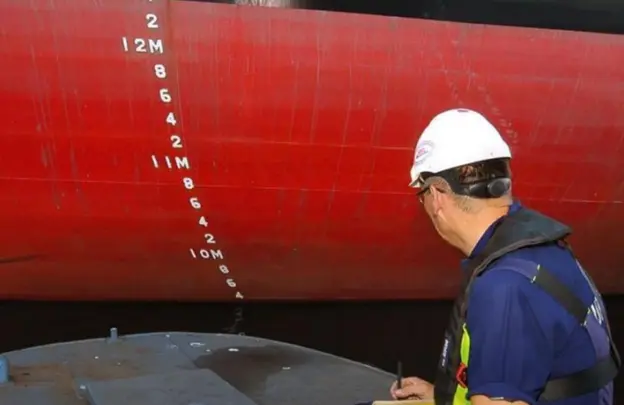
- Initial and final draft readings.
- Water density sampling and verification.
- Trim and list calculations.
- Ballast and consumable quantity verification.
- Review of vessel hydrostatic data.
- Coordination with terminal representatives.
- Draft survey calculations and reporting.
Findings
Draft survey calculations established the quantity of cargo loaded using vessel displacement methodology. Measured figures were found to be consistent with declared shipment quantities within normal commercial tolerance limits. All observations, measurements, corrections, and assumptions were recorded in the survey documentation.
Outcome
PAMS issued a detailed Draft Survey Report documenting all measurements, calculations, density corrections, and final cargo quantity determinations. The report provided an independent basis for cargo reconciliation, commercial settlement, and supporting shipping documentation.
Frequently Asked Questions: Draft Surveys
What is a draft survey?
A draft survey is a technical method of calculating the weight of cargo loaded or discharged. It is based on measuring the vessel's displacement change by reading draft marks and accounting for consumables like water and fuel.
When is a draft survey required?
It is essential for bulk carriers during loading or discharge operations where the cargo weight must be independently verified against shore-scale figures or Bill of Lading requirements.
Why is a draft survey important?
It provides an independent technical record that supports commercial documentation. This reduces the risk of quantity disputes between shippers, receivers, and shipowners.
How does PAMS ensure calculation accuracy?
Our surveyors apply recognized draft survey methodology, including density corrections, trim and list adjustments, hydrostatic calculations, and verification of ballast and consumable quantities. All calculations are independently reviewed before final report issuance.